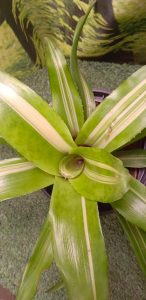
NEO CHEF & DAVID BROMELIAD .”Price? Oh, that’s like asking how many houseplants you can buy before your living room turns into a jungle—it depends! 🌿 The bigger the product, the bigger the price—like going from a cute little succulent to a full-blown palm tree in your kitchen. And if it’s fancy, your wallet might start whispering, ‘Do we really need this?’ 💸😂 But don’t sweat it, I’m here to make deals bloom! Give me a ring at 0132080026, and we’ll negotiate like two plant lovers trying to convince a cactus it needs more water. Let’s make it grow—our deal, not the bill! 🌱😎”
RM 20.00
The Neo Chef and David Bromeliad are likely Neoregelia varieties, which are popular among bromeliad enthusiasts for their striking foliage. Here’s a guide to growing both:
Growing Requirements for Neo Chef & David Bromeliad:
- Light:
- Bright, indirect sunlight is ideal. These bromeliads thrive in light but can tolerate a bit of shade. Avoid placing them in direct sunlight, as it can cause the leaves to scorch, especially for varieties with delicate colors.
- Watering:
- Water the central cup (the rosette formed by the leaves). Keep the cup filled with fresh water, but flush it out occasionally to avoid stagnation, which can lead to rot or attract pests.
- Mist the plant lightly, or ensure the soil is lightly moist, but avoid overwatering the roots, as bromeliads are prone to root rot.
- Humidity:
- Bromeliads love high humidity. If you live in a dry climate or keep them indoors, increase humidity by misting the leaves, placing the plant on a humidity tray, or using a humidifier.
- Soil:
- Use a well-draining mix. A combination of orchid bark, perlite, and peat works well. You can also buy commercial bromeliad soil.
- If planted in pots, ensure the container has good drainage to avoid water accumulation.
- Temperature:
- Neo Chef and David bromeliads thrive in temperatures between 60-80°F (16-27°C). They aren’t frost-tolerant, so bring them indoors or protect them during colder months.
- Fertilizing:
- Use a diluted liquid fertilizer once a month during the growing season. Bromeliads don’t require much feeding, so avoid using too much fertilizer—it can burn the plant or cause discoloration.
- Spray the fertilizer on the leaves, or add a diluted solution to the soil (not directly into the cup).
- Repotting:
- Bromeliads rarely need repotting. If the plant becomes too large for its container or produces pups (offshoots), you can gently separate the pups and plant them individually.
- Wait until the pups are about one-third the size of the mother plant before removing them.
- Pests:
- Watch out for mealybugs, scale, and aphids. If you spot pests, treat them with neem oil or insecticidal soap.
- Ensure good airflow around the plant to prevent fungal issues or rot, especially in the central cup.
- Blooming:
- Neoregelias like Neo Chef and David bromeliads are grown primarily for their vibrant, colorful foliage. The plants typically bloom only once, with flowers emerging from the center. After flowering, the main plant will die, but it will produce pups that continue growing.
With proper care, both Neo Chef and David Bromeliads will thrive and add a splash of color to your garden or home!




Reviews
There are no reviews yet.